In this article4
📋Quick Summary
- Medicare scammers are now using AI voice technology to sound more convincing than ever
- No new Medicare chip cards are being issued in 2026 — anyone claiming otherwise is lying
- Medicare will never call, text, or email you to "verify" your information
- If you've shared personal details, act within 24 hours — there's a clear path forward
- Real licensed agents don't cold-call, pressure, or rush you
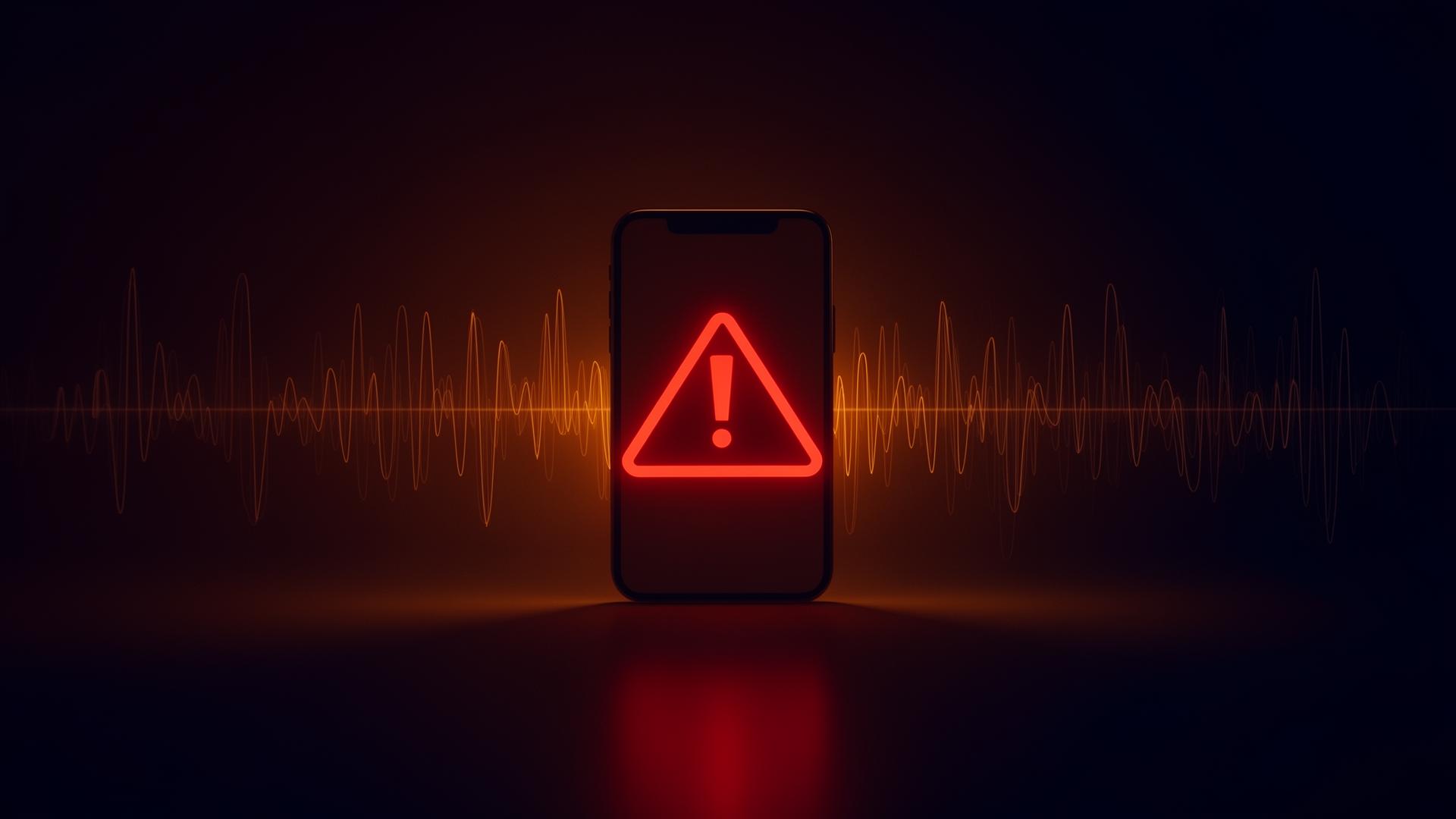
Your phone rings. The voice on the other end sounds official — maybe even familiar. They say Medicare is issuing new chip cards, and you need to verify your information before your benefits get suspended. It feels real. It isn't. Medicare scams have gotten sharply more sophisticated in 2026, and the newest wave uses artificial intelligence to clone voices, spoof government phone numbers, and manufacture urgency that rattles even careful people. If you've gotten one of these calls — or you're worried you might — here's what to do.
The Scams That Are Hitting Seniors Right Now
Medicare fraud has always been a problem, but 2026 brought something different — and it's catching people off guard who assumed they'd never fall for a phone scam.
The biggest new threat is AI voice cloning. Scammers can now replicate the tone, cadence, and authority of a government representative with startling accuracy. You might hear what sounds like a calm, professional Medicare official explaining that your account has been flagged or that new rules require you to reconfirm your Medicare number. These calls sound nothing like the robocalls of five years ago.
Running alongside that is the fake chip card scam. Callers tell people that Medicare is rolling out more secure cards and that they need to verify their identity before one can be mailed. This is completely false — Medicare is not issuing new cards in 2026. Your current card, with your Medicare Beneficiary Identifier number, is valid and will stay that way. Anyone who says otherwise is trying to steal your information.
There's also been a surge in scams tied to confusion around the new $2,100 prescription drug cap that went into effect this year. Fraudsters call seniors claiming they need to pay a fee or hand over banking details to "activate" their drug coverage savings. The real cap is automatic — no activation, no fee, no phone call required.
Medicare will never call, text, or email you to ask for your Medicare number, Social Security number, or banking information. Medicare will never threaten to cancel your benefits over the phone. Medicare will never send a representative to your door unless you requested a visit.
If any of these things happen — hang up, close the email, or shut the door. Then call 1-800-MEDICARE (1-800-633-4227) to report it.
How to Know If It's Real or a Scam — In the Moment
The hardest part about these calls is that they're built to make you feel like you don't have time to think. That pressure — the ticking clock, the threat of losing benefits — is the scam itself. Real Medicare services give you time.
Here's the clearest test: a legitimate Medicare contact will never ask for your Medicare number over the phone to "verify" your account. Medicare already has your number. Any caller who claims to need it is trying to steal it.
If you're not sure whether a call is real, don't try to figure it out while you're still on the line. Say you'd like to call back through the official number, hang up, and dial 1-800-MEDICARE directly. A real program won't disappear when you hang up. A scam will pressure you to stay.
Licensed Medicare agents — actual human advisors who can legally help with your coverage — work nothing like scammers. They don't cold-call. They don't rush you. They walk through the Scope of Appointment before discussing any plan types, and they give you days or weeks to decide, not minutes. If someone is pushing you to make a coverage decision right now, on this call, with no paperwork and no time to review — that's a red flag no matter how official they sound.
If you need help finding legitimate Medicare guidance, our verified Medicare resources page is a good place to start.
Related Medicare Updates
✅What This Means For You
Explore Further
If You Already Shared Your Information — Here's What to Do
Most articles skip this part. If you gave a caller your Medicare number, Social Security number, or banking information — whether it happened yesterday or a year ago — you can still act, and doing it quickly matters.
First, call Medicare directly at 1-800-MEDICARE (1-800-633-4227). Tell them what happened — the date, what the caller said, and what you shared. Medicare can flag your account and start watching for fraudulent claims filed under your number.
Second, check your Medicare Summary Notice. That's the statement Medicare mails every three months listing services billed to your account. If you see charges for things you didn't receive — home health visits, equipment, lab work — report them right away. You can also review claims anytime at Medicare.gov.
Third, consider a credit freeze. If you gave out your Social Security number, contact all three major credit bureaus — Equifax, Experian, and TransUnion — and freeze your file. That stops scammers from opening new accounts in your name. It's free and reversible whenever you need it.
Fourth, report the scam. File with the FTC at ReportFraud.ftc.gov and with your State Senior Medicare Patrol (SMP). These reports help investigators spot patterns and shut down fraud rings.
For a deeper look at how Medicare billing works and what your statements mean, see our guide to understanding your Medicare Explanation of Benefits.
| Annual cost of Medicare fraud to taxpayers | $60 billion+ |
|---|---|
| Seniors targeted by Medicare scams annually | Millions |
| Official Medicare helpline | 1-800-633-4227 |
| FTC fraud report portal | ReportFraud.ftc.gov |
| Medicare.gov for claims review | Medicare.gov |
| Best response time after a scam | Act within 24 hours |
The One Rule That Protects You Every Time
Every Medicare scam — the AI voice calls, the fake chip cards, the drug cap confusion, the plan re-enrollment traps — runs the same play. They create urgency, establish fake authority, and push you to act before you can think.
The one rule that beats all of them: hang up, look up the number yourself, and call back.
It takes 60 seconds. It costs nothing. And it has stopped more fraud than any government program ever will. You are never obligated to stay on a call. You are never going to lose your benefits because you took a minute to verify who you're talking to. Anyone who tells you otherwise is not telling you the truth.
Medicare is a benefit you earned. Protecting it isn't paranoia — it's exactly what the program asks you to do.
To stay informed about real Medicare changes heading into 2026, explore the latest Medicare Advantage plan updates and our full 2026 Medicare roadmap.